Why Smart Virginia Contractors Use Business Financing to Scale
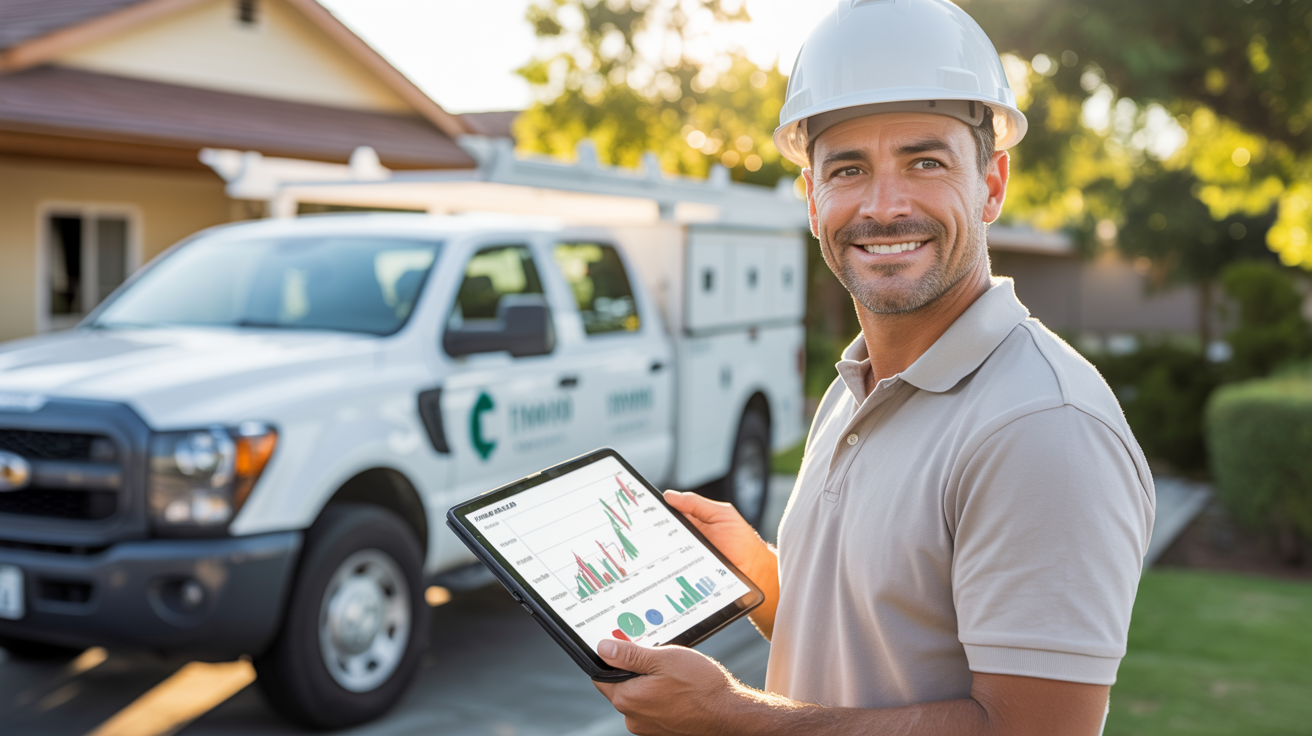
You're a good contractor. Your work speaks for itself. Homeowners leave you five-star reviews and your phone rings steady. But here's the problem: you're turning down jobs because you don't have the equipment, the crew, or the cash flow to take them on.
That's not a skills problem. That's a capital problem. And it's the single biggest reason good contractors stay small while their competitors grow.
Across Hampton Roads — from Virginia Beach to Chesapeake to Norfolk — the contractors who are winning right now aren't necessarily the ones with the most experience. They're the ones who figured out how to use financing strategically to grow faster than their cash flow alone would allow.
The Cash Flow Trap Most Contractors Fall Into
Here's a scenario every contractor in Southeastern Virginia knows: You land a $40,000 kitchen remodel. Great. But you need to buy $15,000 in materials upfront, pay your crew weekly, and the homeowner's payment schedule has the final 40% due at completion — which is six weeks out.
Meanwhile, three more leads come in. A roof replacement in Suffolk. An HVAC installation in Hampton. A foundation repair in Newport News. All good jobs. All profitable. But you can't take them because your cash is tied up in the kitchen project.
So you say no. Or worse, you say "call me in two months." By then, they've hired someone else.
This is the cash flow trap. You're profitable on paper but cash-poor in reality. And every job you turn down isn't just lost revenue — it's a lost relationship, a lost referral, and a lost opportunity to build your reputation in the market.
What Growing Contractors Do Differently
The contractors scaling from $300K to $1M+ in annual revenue aren't doing it by waiting until they can afford things outright. They're using business financing as a growth tool — the same way every other serious business does.
Think about it. Restaurants finance their kitchen equipment. Trucking companies finance their fleet. Tech startups raise capital before they've made a dollar. But for some reason, many contractors believe they need to pay cash for everything or they're "doing it wrong."
That mindset costs you money. Here's why.
The Math Behind Smart Financing
Let's say you need a new work truck. A reliable, outfitted service van runs $45,000 to $65,000 in today's market. You could save up for 18 months and buy it cash. Or you could finance it and have it on the road next week.
With that truck, you can run a second crew. A second crew means you can take on two jobs simultaneously instead of one. If your average job brings in $5,000 to $8,000 in profit, that second crew could generate an additional $20,000 to $30,000 per month in revenue.
Even after the monthly financing payment, you're coming out significantly ahead. The truck pays for itself within the first few months. Everything after that is growth.
The same math applies to equipment, tools, materials for larger jobs, and even working capital to bridge the gap between project start and final payment.
Five Ways Hampton Roads Contractors Use Financing to Scale
1. Equipment and Vehicle Purchases
This is the most straightforward use. New trucks, excavators, HVAC diagnostic tools, electrical testing equipment — whatever you need to do the job faster and better. Instead of renting equipment at $500 a day or turning down jobs that require it, you own it and put it to work immediately.
2. Working Capital for Larger Projects
Big jobs require big upfront investment. A $60,000 roof replacement or a $100,000 whole-house remodel means thousands in materials and labor before you see the final check. Working capital financing lets you take on these premium projects without draining your operating account.
3. Hiring and Training Crews
The contractor labor shortage in Virginia is real. When you find good people, you need to hire them now — not after your next big payment comes in. Financing gives you the runway to bring on skilled tradespeople, train them, and get them productive before the revenue from their work catches up.
4. Marketing and Lead Generation
Growing your pipeline takes investment. Whether it's purchasing quality leads through platforms like RepairConnect, running local ads, or building out your online presence, marketing spend today generates revenue tomorrow. Smart contractors treat marketing as an investment, not an expense.
5. Seasonal Cash Flow Smoothing
Hampton Roads has seasonal patterns. HVAC contractors are slammed in summer and slower in spring. Roofers peak after storm season. Financing helps you maintain steady operations during slower months so you're fully staffed and ready when demand spikes — instead of scrambling to hire when you're already behind.
Common Objections (And Why They Don't Hold Up)
"I don't want to take on debt." — Understandable. But there's a difference between consumer debt and business debt. Consumer debt buys things that lose value. Business debt buys things that generate revenue. A financed truck that earns you $25,000 a month is an asset, not a liability.
"My credit isn't perfect." — Business financing options today are more flexible than most contractors realize. Many lenders look at your business revenue and time in operation more than your personal credit score. If you're doing $200K+ annually and have been in business for a year or more, you likely qualify for more than you think.
"I'll just wait until I can afford it." — Every month you wait is revenue you're not earning. If a $50,000 equipment purchase generates $15,000 in additional monthly profit, waiting six months to "save up" costs you $90,000 in lost revenue. The math doesn't support waiting.
What to Look for in a Financing Partner
Not all financing is created equal. Here's what smart contractors look for:
- Speed: Can you get approved and funded in days, not weeks? When opportunity knocks, you need to move fast.
- Flexibility: Do they offer different products — equipment financing, working capital, lines of credit — so you can match the funding type to your specific need?
- Contractor-friendly terms: Do they understand the contracting business? Seasonal revenue swings? Project-based cash flow? Generic bank loans often don't account for how contractors actually operate.
- Transparent pricing: No hidden fees, no surprises. You should know exactly what the total cost of capital is before you sign anything.
- Range: Whether you need $10,000 for tools or $500,000 for a fleet expansion, your financing partner should be able to scale with you.
The Bottom Line
The most successful contractors in Hampton Roads aren't the ones who avoid financing. They're the ones who use it intentionally — to buy equipment that generates revenue, to take on bigger jobs, to hire faster, and to smooth out the cash flow gaps that hold smaller operations back.
If you're turning down good work because of cash flow, you don't have a business problem. You have a capital problem. And capital problems have solutions.
Ready to explore your options? See what you qualify for →
Growing Your Business Starts with Better Leads
Financing gives you the capacity to do more work. RepairConnect gives you the leads to fill that capacity. Browse qualified homeowner leads in your service area — real local homeowners who need work done now.
Join RepairConnect →