How to Finance Your Home Repair Project in Virginia

Your HVAC system just died in the middle of a Virginia Beach summer. Or maybe you've discovered foundation cracks that can't wait. Whatever the repair, you're facing a bill that wasn't in this month's budget.
The good news? You have options. The even better news? Some of those options won't even affect your credit score to explore.
Here's a straightforward guide to financing your home repair project in Southeastern Virginia—from quick fixes to major renovations.
Know What You're Working With
Before you start comparing financing options, you need two numbers: what the repair will cost and what you can realistically afford to pay monthly.
For Virginia homeowners, here are some typical repair costs to give you a ballpark:
- HVAC replacement: $5,000 – $15,000
- Roof repair: $500 – $5,000 (full replacement: $8,000 – $25,000)
- Foundation repair: $2,000 – $15,000+
- Plumbing repairs: $200 – $5,000
- Electrical work: $150 – $10,000
- Kitchen remodel: $15,000 – $50,000+
Once you have an estimate (hint: get a free AI-powered estimate here), you can start shopping for the right financing.
Option 1: Personal Loans

Personal loans are one of the most popular ways to finance home repairs. They're unsecured (meaning you don't put your house up as collateral), and you get a lump sum that you repay over a fixed term.
Pros:
- Fixed monthly payments
- No home equity required
- Fast funding (often within days)
- Loan amounts from $1,000 to $100,000+
Cons:
- Interest rates depend heavily on credit score
- Rates typically higher than home equity options
Best for: Homeowners who want predictable payments and don't want to use their home as collateral. Ideal for mid-range repairs ($2,000 – $50,000).
Option 2: Home Equity Loans or HELOCs
If you've built up equity in your Virginia home, you can borrow against it. A home equity loan gives you a lump sum, while a HELOC (Home Equity Line of Credit) works more like a credit card.
Pros:
- Lower interest rates than personal loans
- Interest may be tax-deductible (consult a tax advisor)
- Larger loan amounts available
Cons:
- Your home is collateral—miss payments and you risk foreclosure
- Longer application process (2-4 weeks)
- Closing costs can add up
- Requires sufficient equity (usually 15-20%)
Best for: Major renovations or repairs over $20,000, especially if you have strong equity and good credit.
Option 3: Credit Cards
For smaller repairs, a credit card might make sense—especially if you can pay it off quickly or have a 0% APR promotional offer.
Pros:
- Instant access to funds
- 0% APR offers can mean interest-free financing
- Rewards points on spending
Cons:
- High interest rates if not paid off quickly (often 20%+)
- Can hurt credit utilization
- Limited by your credit limit
Best for: Emergency repairs under $2,000 that you can pay off within a few months.
Option 4: Contractor Financing
Many contractors offer financing through third-party lenders. This can be convenient, but read the fine print carefully.
Pros:
- One-stop shopping
- Sometimes includes promotional rates
- May not require upfront payment
Cons:
- Limited to that contractor's lender options
- Deferred interest traps (if not paid in full by promo end, interest applies retroactively)
- May not be the best rate available
Best for: Situations where convenience outweighs getting the absolute best rate, or when promotional financing is genuinely competitive.
Option 5: Compare Multiple Lenders at Once (Our Recommendation)
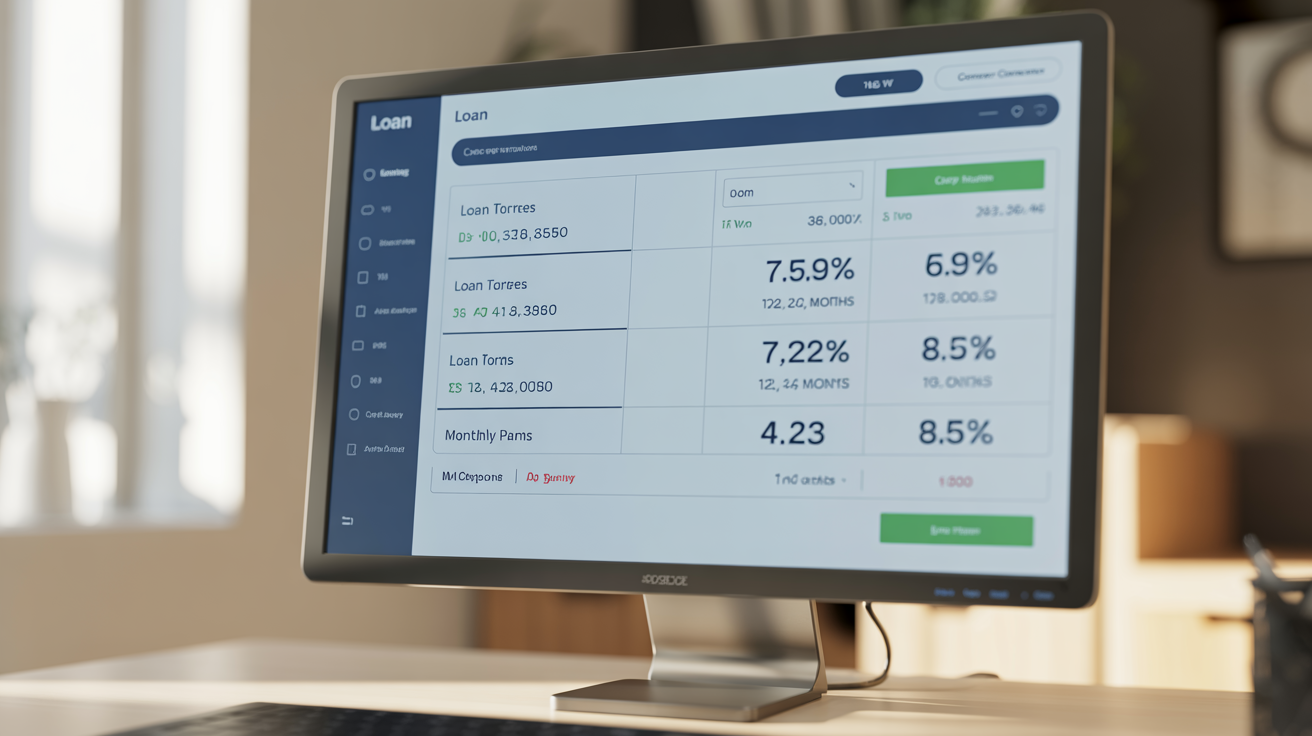
Here's the thing: shopping around for financing is a pain. Each application can ding your credit, and it's hard to compare apples to apples.
That's why we partner with Acorn Finance. With one simple form, you can see pre-qualified offers from multiple lenders—without affecting your credit score.
Here's what makes it worth checking:
- No credit impact to check rates – Soft pull only
- Loan amounts from $1,000 to $100,000
- Terms from 12 to 144 months – Find a payment that fits
- Rates as low as 6.99% APR (with approved credit)
- Funding as fast as 1-2 business days
- Multiple offers to compare – Pick the best one for you
Check Your Rates in 60 Seconds
See what you qualify for without hurting your credit. Compare offers from multiple lenders and choose the best fit for your home repair project.
Get Pre-Qualified Now →Virginia-Specific Considerations
Living in Southeastern Virginia comes with unique factors that might influence your financing decision:
Hurricane and storm damage: If your repair is due to storm damage, check your homeowner's insurance first. You may be able to combine insurance payouts with financing to cover your deductible and any gaps.
Humidity and moisture issues: HVAC, foundation, and mold remediation are common in our coastal climate. These repairs often can't wait, making fast funding options more valuable.
Historic homes: Norfolk's Ghent, Portsmouth's Olde Towne, and other historic neighborhoods often have specialized repair needs. Factor in potentially higher costs when choosing loan amounts.
Military families: If you're connected to one of our many military bases, some lenders offer special rates for service members. Always ask.
Questions to Ask Before You Borrow
Before committing to any financing, make sure you can answer these questions:
- What's the total cost of the loan? (Principal + all interest and fees)
- Is the rate fixed or variable?
- Are there prepayment penalties?
- What happens if I miss a payment?
- How long until I receive the funds?
The Bottom Line
Don't let financing anxiety delay a necessary repair. Water damage, HVAC failures, and foundation issues only get more expensive the longer you wait.
The smartest approach? Get your repair estimate first, then compare financing options before the contractor even shows up. That way, you're ready to move forward the moment you choose your contractor.
And remember: checking your rates with Acorn Finance won't affect your credit score. There's literally no downside to seeing what you qualify for.
Ready to Get Started?
Submit a repair request to get your free AI-powered estimate, then check your financing options—all without any obligation or credit impact.